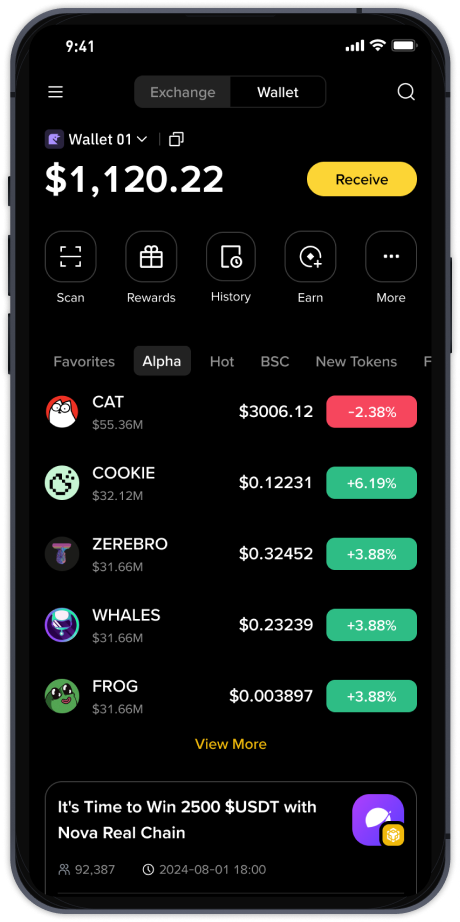
Binance Deposit Guide: Step-by-Step Top-Up Methods & Platform Navigation Tips for Cryptocurrency Users
If you are new to the world of digital assets, one of the first questions you will encounter is how to deposit funds into your Binance account. Binance is one of the largest and most popular cryptocurrency exchanges globally, but understanding the deposit process and knowing how to use the platform effectively is essential for a smooth trading experience. This guide explains the key methods to top up your account and provides practical advice on navigating the interface.
There are two primary ways to deposit funds on Binance: fiat currency deposits and cryptocurrency deposits. Fiat deposits allow you to use traditional money like USD, EUR, or GBP. To do this, log into your Binance account, go to the "Buy Crypto" section, and select "Deposit Fiat." You can choose from options like bank transfer, credit card, or third-party payment services such as Advcash or Banxa. Each method has different processing times and fees. Bank transfers are often the cheapest but take longer, while card payments are instant but come with a fee. Always check the minimum deposit amount and available currencies before proceeding.
The second method, depositing cryptocurrency, is more common for existing crypto users. If you already hold coins in another wallet or exchange, you can transfer them directly to Binance. Navigate to "Wallet" and then "Deposit." Select the cryptocurrency you wish to send (for example, Bitcoin, Ethereum, or USDT). The system will generate a deposit address or a QR code. Copy this address carefully, and paste it into the withdrawal field of your external wallet. Double-check the network type – using the wrong network (such as ERC-20 instead of BEP-20) may result in lost funds. Binance supports multiple blockchains, so ensure your wallet and Binance use the same network for a successful transfer.
Once your funds arrive, learning how to use Binance is the next step. The platform is divided into several key sections. The "Markets" page shows you all available trading pairs with real-time price data. You can monitor prices, volume changes, and order book depth. The "Trade" area offers two main modes: "Classic" and "Advanced." Beginners should start with the Classic view, which simplifies the order process. Here, you can choose between a "Limit Order" (buy or sell at a specific price) or a "Market Order" (execute immediately at the best available price). Always set a clear price target and use stop-loss features to manage risk.
Beyond trading, Binance provides tools for earning passive income through its "Earn" section. You can use your deposited funds for staking, savings accounts, or liquidity pools. This is a smart way to grow your crypto holdings without constant active trading. Additionally, the "P2P" marketplace allows you to trade directly with other users, often with zero trading fees. However, learn how to identify verified merchants to avoid scams.
Security is a critical part of using Binance. After depositing funds, enable two-factor authentication (2FA) using Google Authenticator or a hardware key. Do not share your deposit addresses publicly, and never send funds to unknown links. If you ever encounter issues with a deposit that has not appeared, check the transaction on a blockchain explorer using the transaction ID (TXID). Binance support can help if the transaction shows as completed on the blockchain but is not credited, but you should always verify the network compatibility first.
For advanced users, the "API" option allows automated trading through third-party tools. But if you are learning, avoid rushing into complex features. Start with small deposit amounts to test the process. Many users lose money not due to market volatility but because of simple errors like typing the wrong address or choosing the wrong network. Take your time to understand each step of the Binance interface before committing larger sums.
In summary, depositing on Binance involves choosing the right payment method, carefully using deposit addresses, and verifying network compatibility. Using the platform effectively means understanding the difference between market and limit orders, exploring earning opportunities, and prioritizing security. By following this guide, you can confidently manage your funds and start engaging with the Binance ecosystem. Always keep learning about new features as the platform updates frequently to improve user experience and security standards.